Best Anabolic Steroids

Press Enter to search the full catalog.

US Domestic discreet shipping
Third-party batch tested
HPLC & MS verified purity
Trusted Anabolic Manufacturers Only
US Domestic discreet shipping
Third-party batch tested
HPLC & MS verified purity
Trusted Anabolic Manufacturers Only
Back to all products
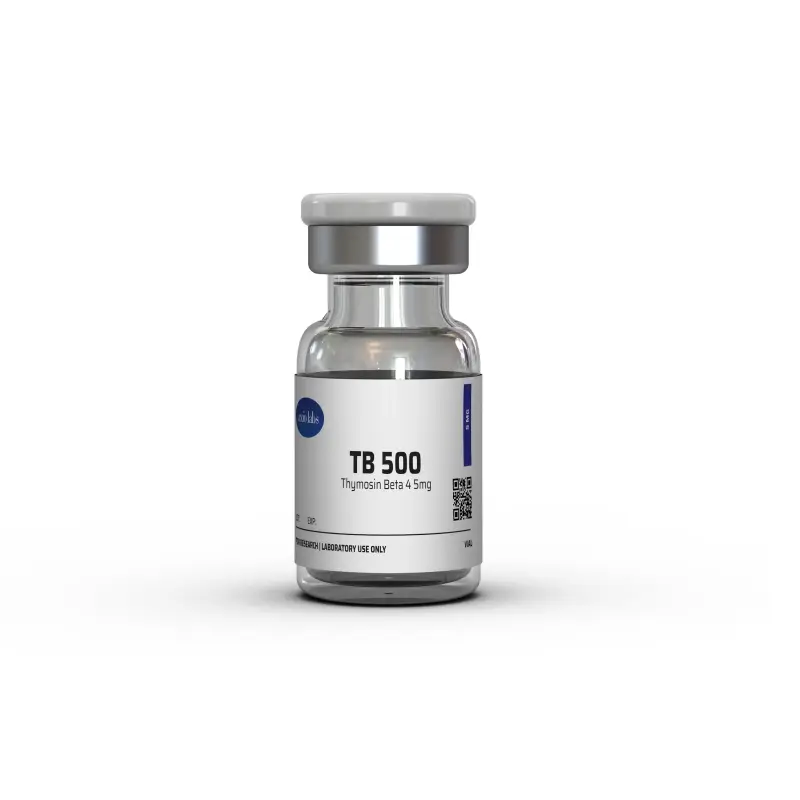
TB 500 Tissue Repair Peptide - Axiolabs

Axiolabs

TB 500 Tissue Repair Peptide - Axiolabs

Injection · 5mg · vial

Out of stock
CompoundTB-500 fragment
ClassResearch peptide
Half-lifeNot established
DetectionNo human window
Liver toxicityLow
Water retentionNone
A synthetic fragment of thymosin beta-4, supplied as a lyophilised powder for mixing with bacteriostatic water. No human half-life, human dose or human safety dataset exists: the vendor loading and maintenance schedule below is the reference material, and a metabolite of the peptide has only been measured in horses.
TB 500 Tissue Repair Peptide - Axiolabs
Order Now, Ships Today
Quality First

All products are manufactured under strict quality standards and independently tested before release. By purchasing, the buyer agrees to use these products in compliance with all applicable laws.

Buy TB 500 from Axiolabs at Best Anabolic Steroids. One lyophilised vial of a synthetic thymosin beta-4 fragment is what the pack contains, the small protein involved in actin regulation and cell movement. The powder is dissolved in bacteriostatic water before use and kept cold afterwards.

The card is deliberately blunt about the state of the evidence. In humans there is no agreed half-life, no agreed dose and no completed safety file; the numbers quoted below come from vendor protocols and from veterinary work in which an acetylated metabolite of the peptide was traced in horses. Anyone comparing this vial with a licensed medicine is comparing two different things.

Product Overview

Thymosin beta-4 occurs naturally in most mammalian cells, where it binds actin and helps cells move and repair. TB-500 is a shortened synthetic version of that protein built for the research market, and the interest around it concerns soft tissue: cell migration, blood vessel formation and the early phases of wound repair.

The pharmacokinetic picture is the weak point. Reference material states outright that no human half-life is established, and vendor documentation repeats that same wording rather than quoting a number. Detection is similar: assays in veterinary studies followed an acetylated fragment in urine and plasma of horses, but nothing equivalent has been validated for people, so no honest test window can be printed here. In sport the substance sits in the S2 class of peptide hormones and growth factors, where it is prohibited at all times.

Dosage Protocol

The only structured schedule available is the vendor protocol, which splits into a loading stretch and a maintenance stretch. Amounts are milligrams and are mixed from a lyophilised vial, so the arithmetic has to be written down before the first injection.

Loading phase Two injections a week at 2.0-2.5 mg each, so 4.0-5.0 mg per week, across weeks one to four
Maintenance phase One shot of 2.0-2.5 mg each week after the loading stretch
Course length Six to eight weeks, then a break of comparable length before repeating
Women No separate female schedule exists; nothing is confirmed in the sources
Route Subcutaneous or intramuscular, with bacteriostatic water as the diluent

What one vial covers

A 5 mg vial covers roughly one week of the loading phase at 2.0-2.5 mg per injection, or about two to two and a half weeks of maintenance at the same amount once a week. Working out how many milligrams sit in each millilitre at the volume chosen, and how that translates into units on a U-100 syringe, is the step that prevents an accidental overdose of a material with no human dose-finding data.

Suggested Protocols

TB-500 is handled systematically rather than locally, which is the main practical difference between it and the other repair peptide in this catalogue. The schedule is weekly rather than daily, and the loading phase does most of the work before the maintenance stretch flattens it out.

Repair block
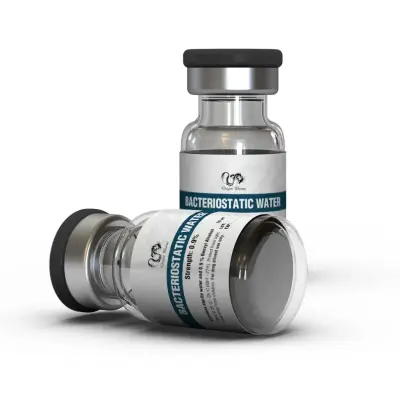
TB 500 - 2.0-2.5 mg twice weekly + Bacteriostatic water and the Axiolabs research range
Four weeks of loading, then weekly maintenance, then a break of similar length

Nothing here connects to the hormonal side of the catalogue, so there is no base, no inhibitor and no recovery drug to schedule around it. Where a peptide like this is used next to a steroid cycle, the cycle keeps its own planning: a long base such as Testaplex C 250 on its twice-weekly rhythm, estradiol control through Exeplex only when a blood result asks for it, and the recovery pair Tamoxiplex 20 plus Clomiplex 50 reserved for the weeks after the last injection.

What to Expect

  • Vendor timelines only. Descriptions of easier movement and less discomfort in the first one to three weeks come from supplier material, not from controlled human studies, and should be read as such.
  • Nothing measurable in a blood test. There is no marker that rises or falls with this peptide, so progress is judged from symptoms rather than from a panel.
  • The full course is the unit. The protocol is written for six to eight weeks including loading, and single injections have no documented timeline at all.
  • Absence of data is the headline. Human half-life, human dose and human safety are all listed as unconfirmed in the reference sheets.
  • Cold chain decides quality. A mixed vial that has been warm or refrozen is a different product from the one that was shipped, and no shelf life for our specific vial is confirmed.
  • Competitive sport rules it out. Growth factor and peptide hormone class, prohibited at all times, with a therapeutic exemption that is realistically unobtainable.

Side Effects and Management

Injection site irritationChange the site each time, keep technique clean, and expect this to be the most frequent complaint. Human safety data are limited.
Headache and mild malaiseLower the amount and pause; these reports come from users rather than from trials. Not independently confirmed.
Theoretical proliferation concernAnyone with a cancer history should avoid it without medical advice, since cell migration is the studied mechanism. Theoretical and unproven.
No validated human safety profileKeep courses short and log anything unusual. A class feature of research peptides without trials.
Redness or itching at the siteCold compress and a pause; stop altogether if it spreads. Uncommon in user accounts.

After the Course and Follow-Up

There is no post-cycle therapy on this card, and that is a pharmacological statement rather than an omission. The fragment does not touch the hypothalamic-pituitary-gonadal axis, so natural testosterone production is not suppressed and no SERM has anything to restart. The routines that do matter are about handling the material correctly.

Course lengthSix to eight weeks by vendor protocol, followed by a pause of comparable length before another block
Reconstituted vialKept refrigerated, used within the vendor window, and never put through repeated freeze-thaw cycles
Dry powderStored cold and protected from light; no confirmed shelf life for our particular vial is published
LogAmount, site and date for every injection, because nothing else will show what was actually used
Medical disclosureTell any treating clinician about the peptide, including before surgery, since interaction data do not exist

The rest of the shelf, from growth hormone products such as AxoTropin to anti-estrogens such as Arimiplex for anyone running a separate cycle, sits in the Axiolabs catalogue.
This page is educational and laboratory reference material. The Axiolabs TB 500 vial is presented as research-grade material supplied for experimental work, not as a drug and not as a treatment for any medical condition. The amount figures restate vendor and veterinary reference data for the peptide rather than a clinical recommendation. Nothing here should be taken as medical advice. Keep the products away from children and follow local regulations.
What is TB 500, and is it thymosin beta-4?
TB 500 is a shortened piece of thymosin beta-4, the actin-binding protein found in most cells of the body. It is not the whole protein: the research market sells a shortened version, supplied as a lyophilised powder in a vial that is mixed with bacteriostatic water. It is a laboratory material with no licensed medical use.
What is the half-life of TB-500 in humans?
No figure has been established. Vendor documentation says so explicitly, and the reference sheets carry no human value. That gap is why the weekly schedule below comes from supplier protocols rather than from pharmacokinetic modelling, and why no detection window can be stated for people either.
How does the loading phase work?
The vendor protocol front-loads the peptide: 2.0-2.5 mg twice a week, so four to five milligrams in a week, over the first four weeks. After that the amount drops to 2.0-2.5 mg once weekly for the rest of a six to eight week course. The break afterwards is supposed to match the length of the course.
How do you reconstitute a TB 500 vial?
Introduce the bacteriostatic water, allow the powder to dissolve without shaking, and note the concentration from the volume added. From a 5 mg vial the loading amount of 2.0-2.5 mg is roughly half the vial per injection, so the syringe maths is simple but must be written down. Keep the mixed solution refrigerated and do not freeze and thaw it repeatedly.
How long until anything is felt?
Vendor descriptions point to changes in the first one to three weeks, usually described as easier movement and less nagging discomfort. No controlled human trial supports a timeline, and there is not even a blood marker to follow, so the printed windows are supplier estimates rather than observed clinical outcomes.
Is TB 500 the same as BPC 157?
No. They are different sequences with different proposed actions, and they are dosed on different rhythms: this fragment is given weekly and generally described as systemic, while the gastric pentadecapeptide is handled locally and far more often. Neither is a substitute for the other, and neither has a licensed human indication.
What side effects are reported with TB 500?
Injection site irritation is the usual one, with occasional headache, mild malaise, redness or itching reported by users. A theoretical concern exists about cell proliferation because migration is the studied mechanism, so a cancer history is a reason to leave it alone. No human safety study has been completed.
Is the Axiolabs TB 500 vial tested, and how is it stored?
No laboratory confirmation of the stated vial mass is published for our brands, so the mass rests on the supplier label. Keep the lyophilised powder cold and out of light without freezing it, and store the mixed solution in the fridge, discarding it after the vendor window rather than stretching it further.

No reviews yet

Be the first to share your experience with TB 500 Tissue Repair Peptide - Axiolabs

Log in to write a review

Complete the protocol

Stack it with

View all →
Added to cart