Catalog
Peptides
Peptides are short chains of amino acids, and in this catalog that single shape covers several unrelated jobs: incretin signals that copy gut hormones, fragments that act on fat, mitochondria-targeted tetrapeptides, neuropeptides studied for mood and sleep, and sequences used for tissue repair. This page is the hub for the class as a whole.
The listings below are grouped as metabolic and incretin vials, longevity and mitochondrial peptides, cognitive and sleep peptides, repair peptides, growth hormone secretagogues and the diluent that dissolves them. Two narrower pages sit beside this one: Peptides for Recovery and Peptides for Muscle Growth, which take the repair and the growth angles further.
106 products
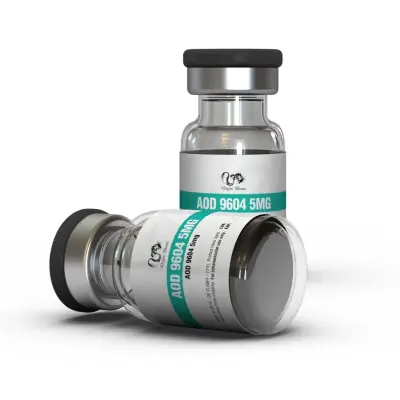
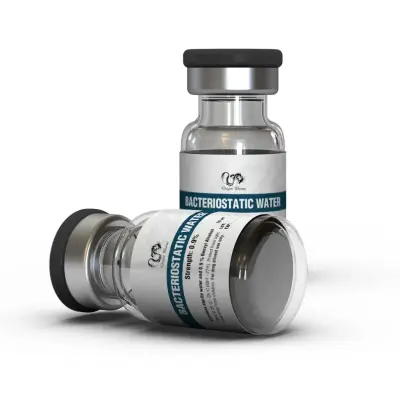
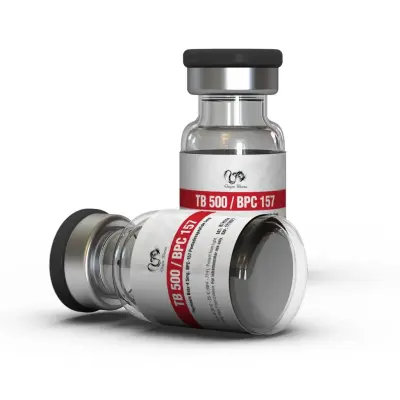
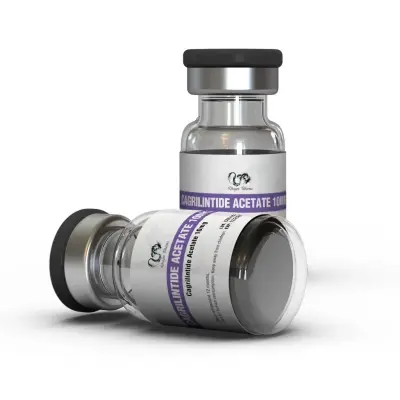
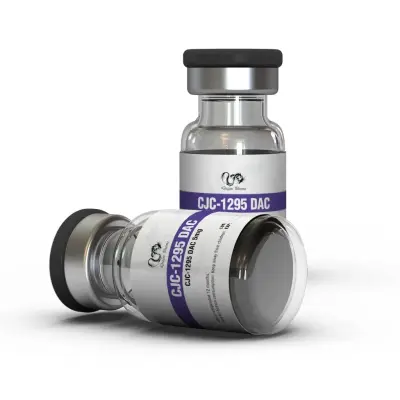
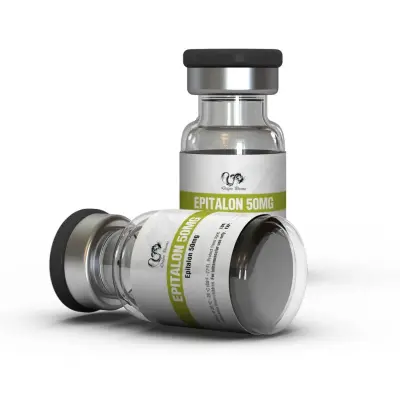
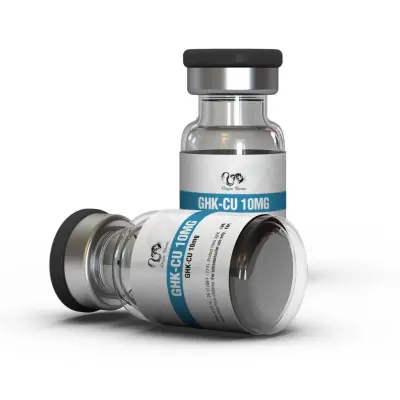
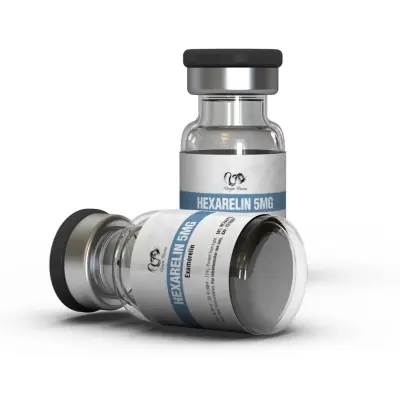
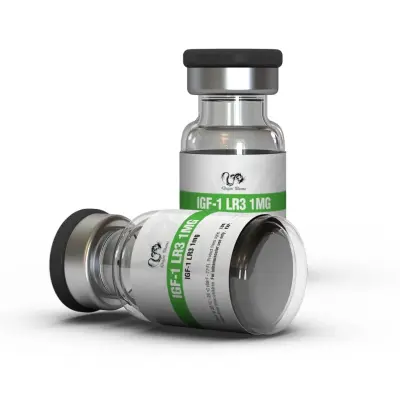
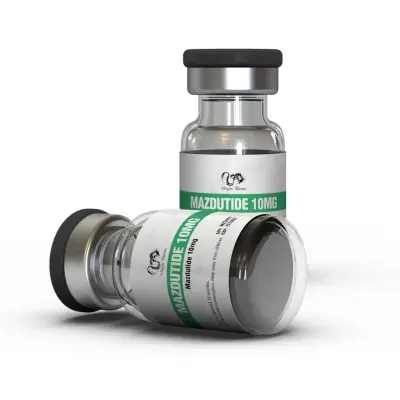
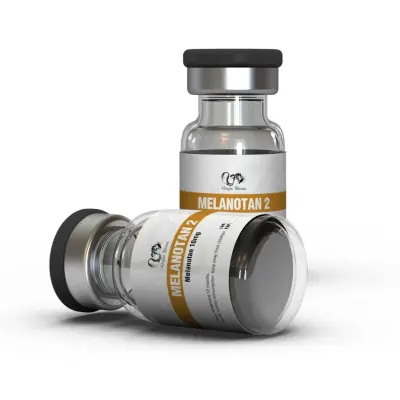
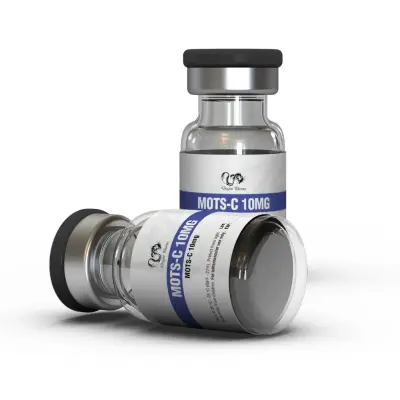
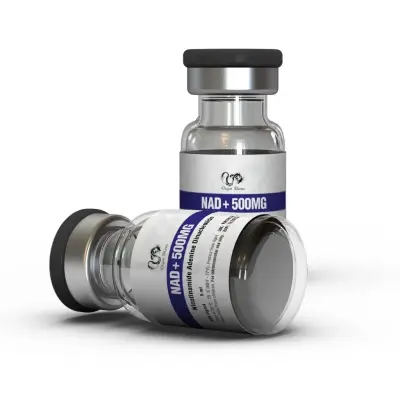
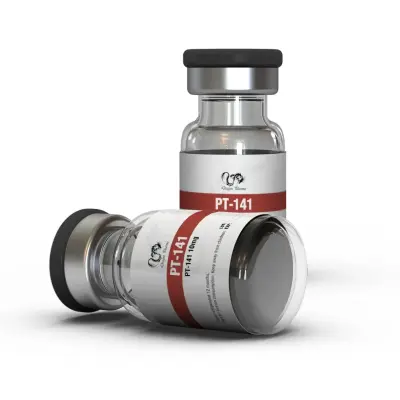
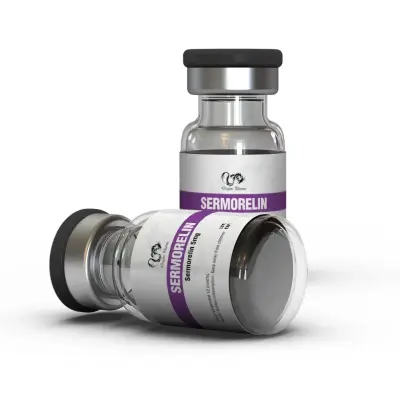
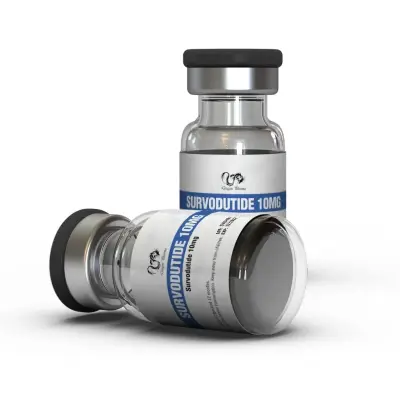
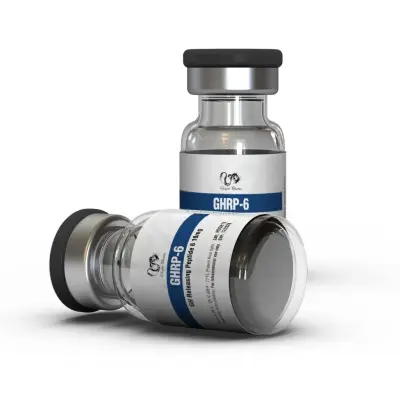
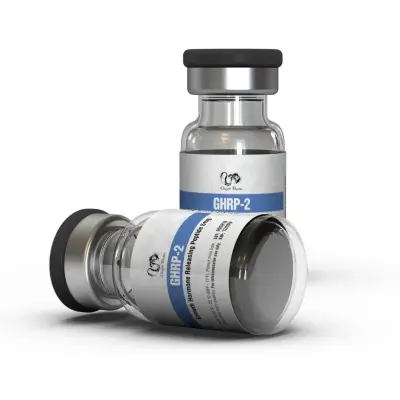
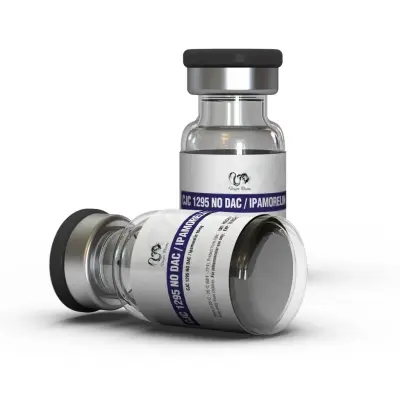
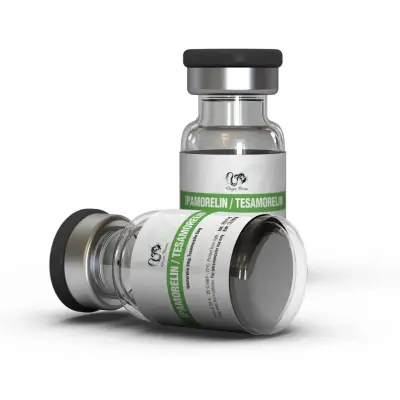
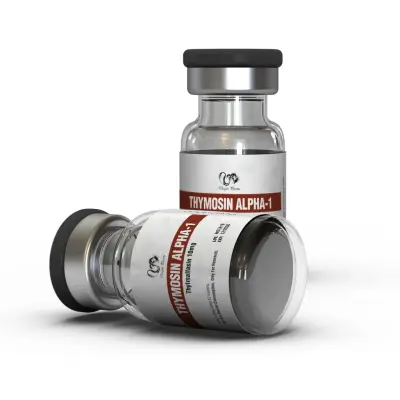
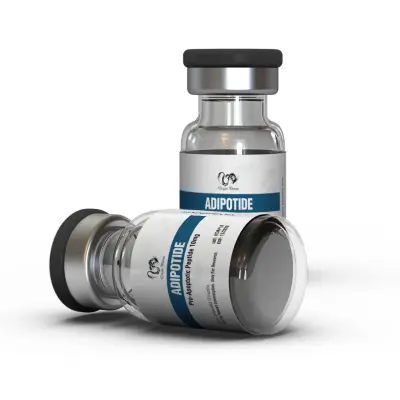
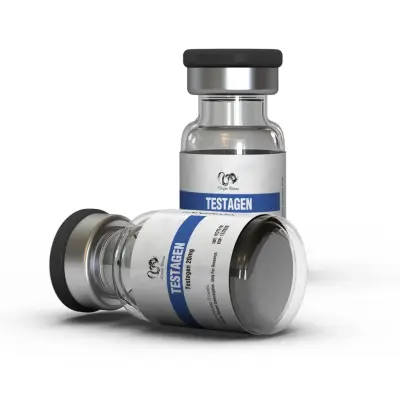
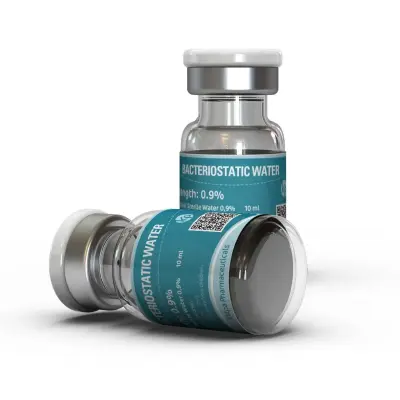
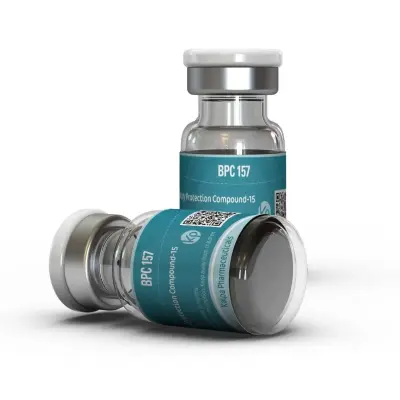
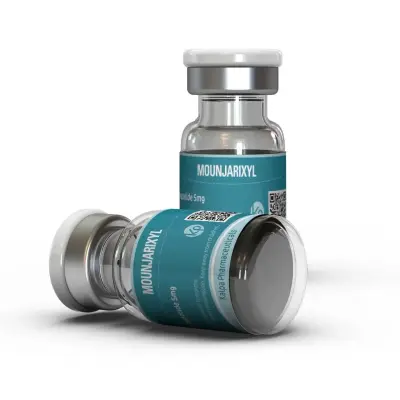
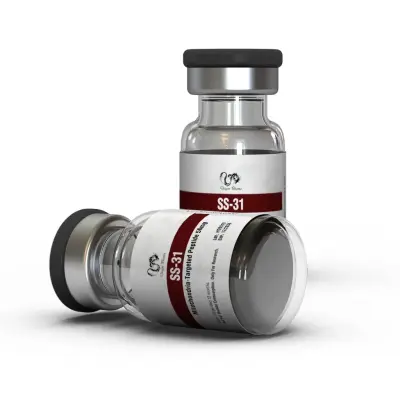
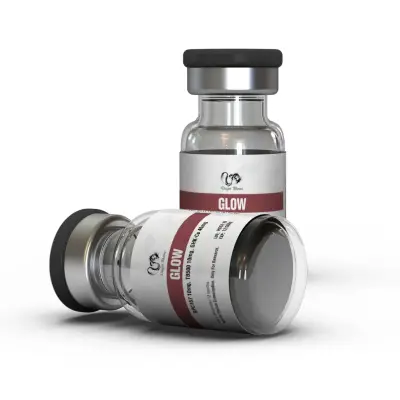
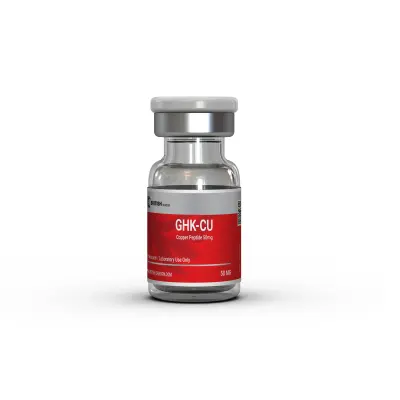
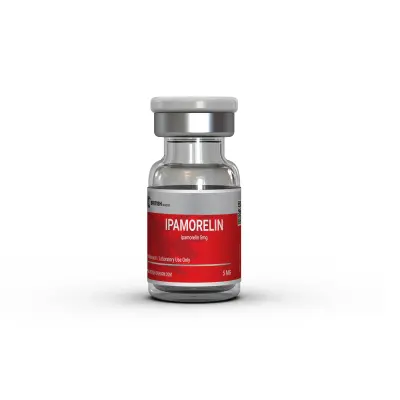
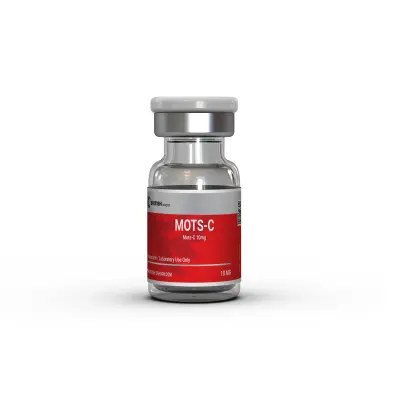
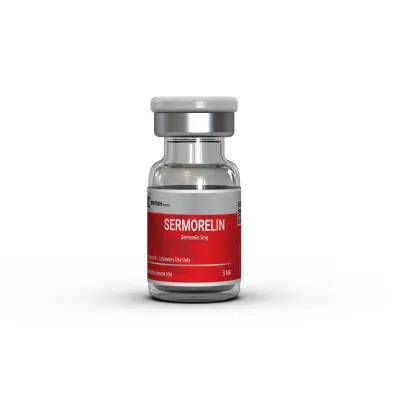
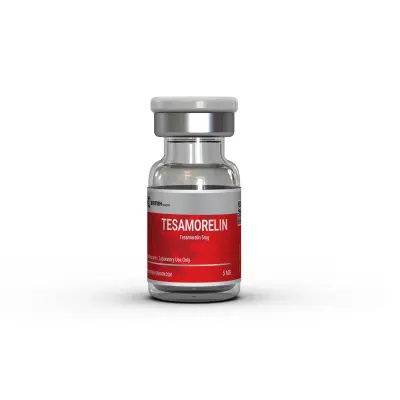
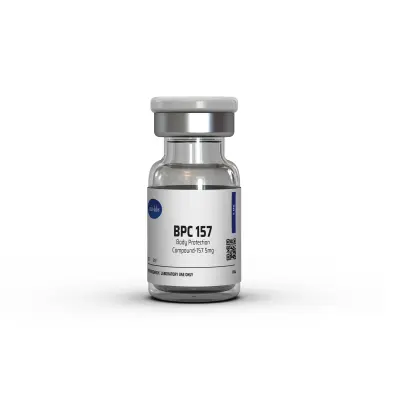
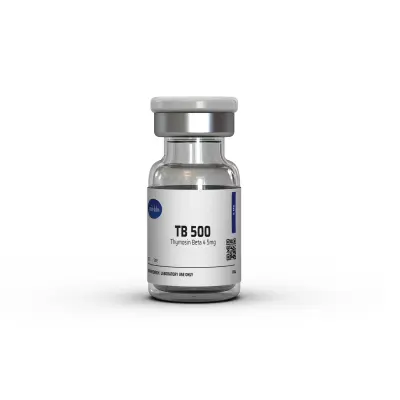
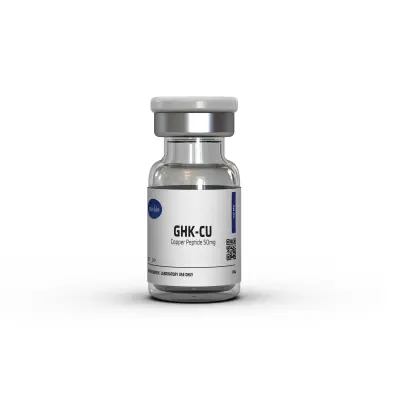
Filters
Categories
Brands
Substances
Manufacturers
Price
Buying Peptides online
Peptides are chains of amino acids, most of them short, and the class is defined by that structure rather than by one effect. Some sequences copy hormones the body already makes and signal through the same receptors, some are single fragments cut out of a larger protein and keep only part of its action, and some are built to concentrate in a specific compartment such as the mitochondrion. A few items kept on this shelf are not peptides at all, but coenzymes and small molecules that the same reader buys alongside them. The class is not built on the androgen receptor, so the route taken by injectable steroids is a different one. The shelf draws on dedicated peptide lines as well as wider ranges such as Dragon Pharma.
This page is the compound hub for that shelf. It holds the metabolic and incretin vials, the longevity and mitochondrial peptides, the cognitive and sleep peptides, the repair peptides, the growth hormone secretagogues and the bacteriostatic water used to dissolve them. The goal pages, Peptides for Recovery and Peptides for Muscle Growth, take the repair and the growth angles in their own depth, so the hub keeps the whole class in one place and uses the group table below as its index.
How This Catalog Is Grouped
| Group | What It Is | Examples in the Catalog |
|---|---|---|
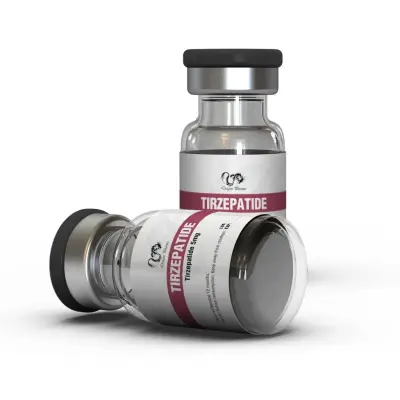
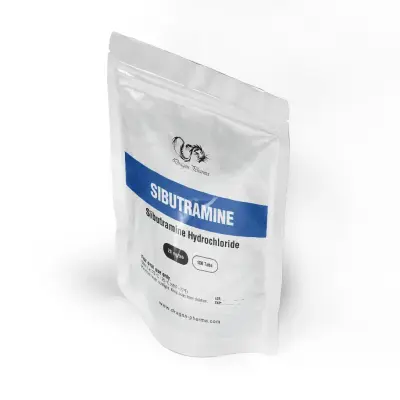
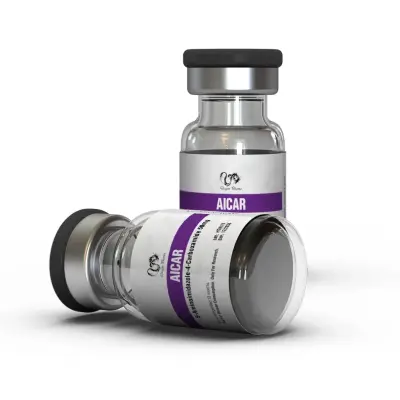
| Metabolic and incretin | Gut-hormone receptor agonists, lipolytic fragments and AMPK-linked research compounds | Retatrutide, Tirzepatide, Semaglutide, Cagrilintide, Survodutide, Mazdutide, AOD 9604, HGH Frag 176-191, AICAR, 5-Amino-1MQ, Adipotide, Sibutramine |
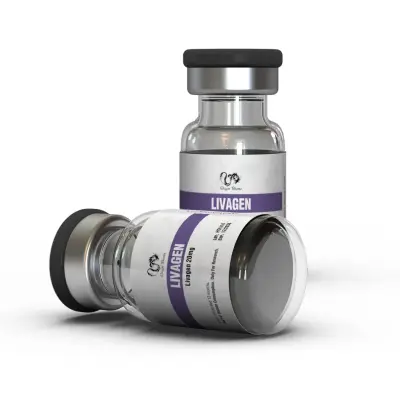
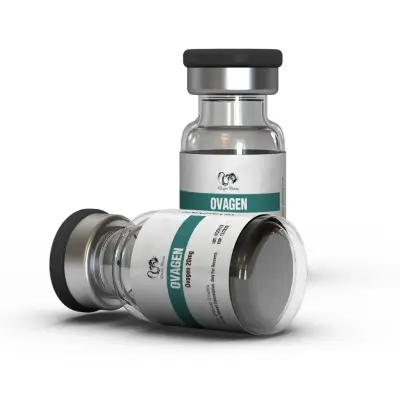
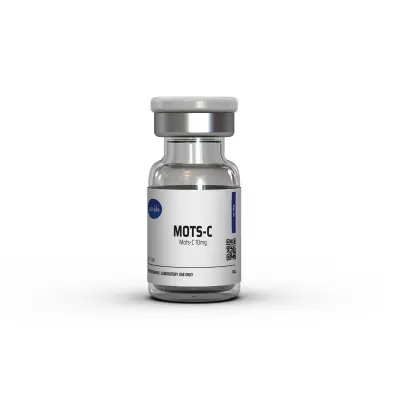
| Longevity and mitochondrial | Coenzymes, antioxidant peptides and mitochondria-targeted tetrapeptides | NAD+, Glutathione, Epitalon, SS-31, MOTS-c, Livagen, Ovagen, Testagen, Thymalin |
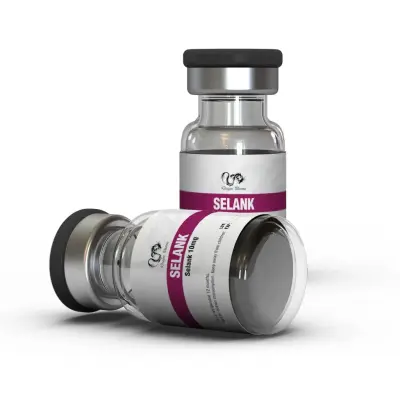
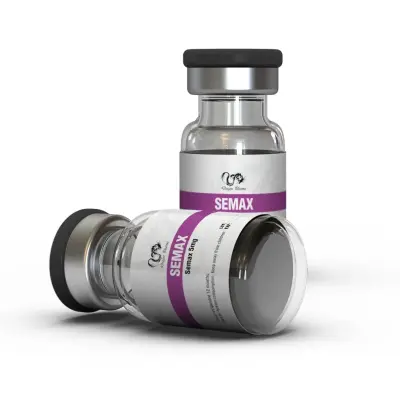
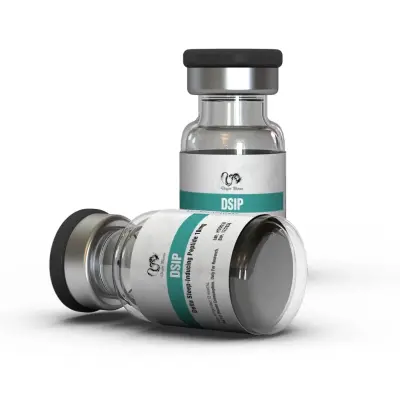
| Cognitive and sleep | Short neuropeptides studied for anxiety, cognition and sleep architecture | Selank, Semax, DSIP |
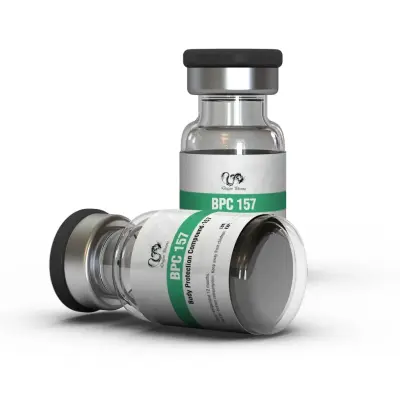
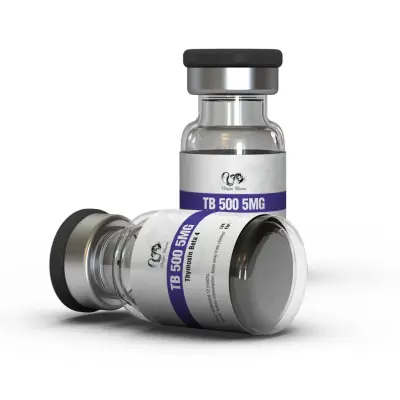
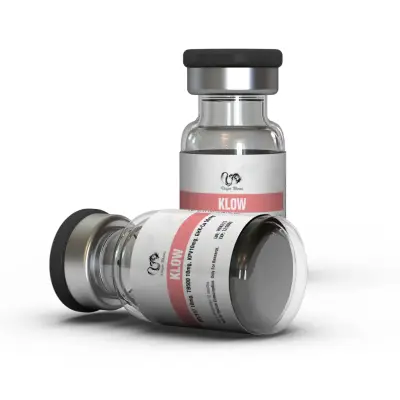
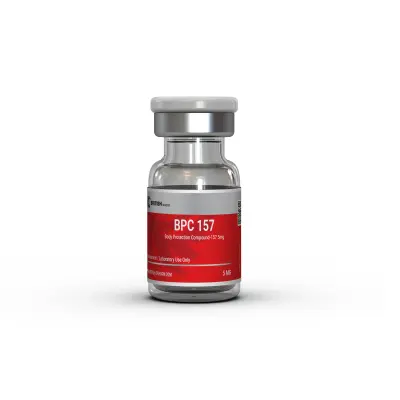
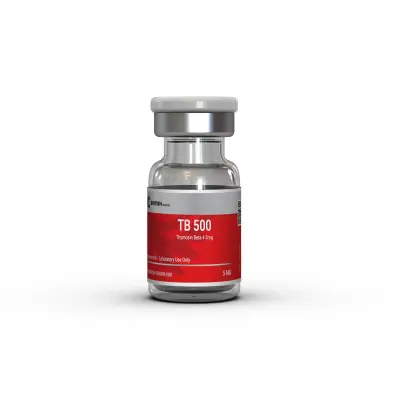
| Recovery | Repair and tissue-support peptides, covered in depth on the Peptides for Recovery page | BPC 157, TB 500, GHK-Cu, BPC-157 TB-500 Blend, Klow Blend, Glow Blend, Thymosin Alpha-1 |
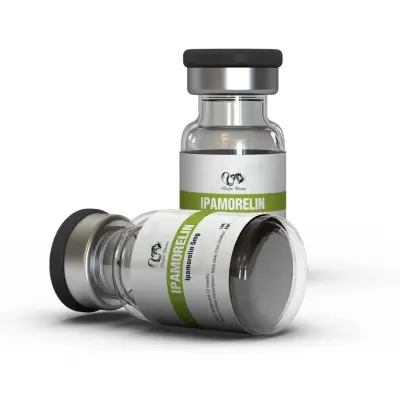
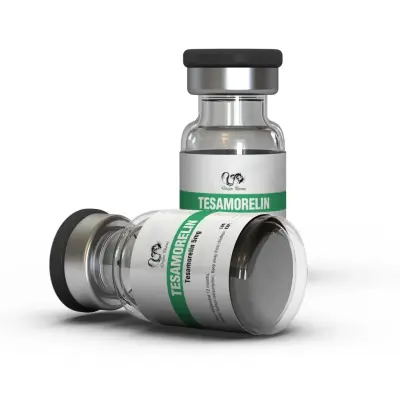
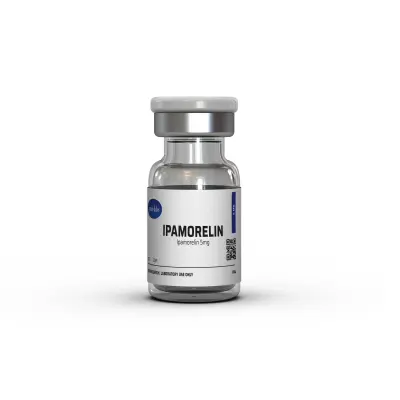
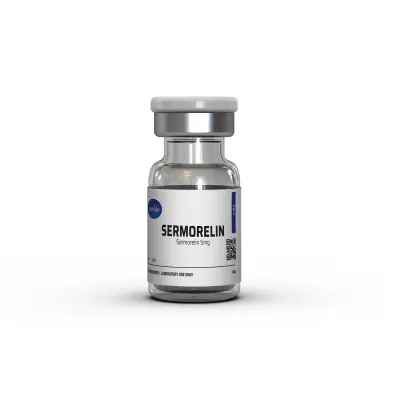
| Growth | Growth hormone secretagogues and GHRH analogs, covered in depth on the Peptides for Muscle Growth page | Ipamorelin, CJC-1295, Sermorelin, Tesamorelin, Hexarelin, GHRP-2, GHRP-6, IGF-1 LR3, MGF, PEG-MGF |
| Support | Diluents used to dissolve lyophilized powders before use | Bacteriostatic Water for Injection, Bacteriostatic Water for Peptides |
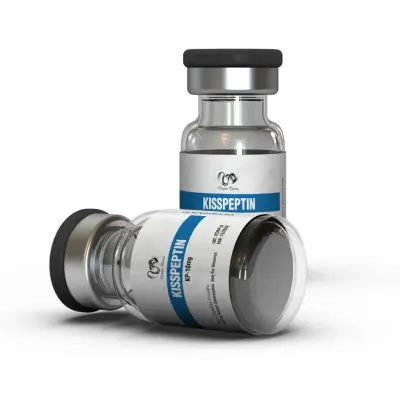
| Research and specialty | Melanocortin, anti-cancer and opioid research peptides that sit outside the families above | Melanotan II, PT-141 Bremelanotide, PNC-27, Kisspeptin, Enkephalin |
The table above is an index, not a ranking. Metabolic and longevity carry the largest share of the shelf; recovery and growth are kept to a summary here on purpose, because their own pages hold the detailed protocols. A handful of entries, such as the melanocortin and anti-cancer peptides, sit in the last row simply because they do not belong to any of the metabolic, mitochondrial, cognitive or repair families. Most of the shelf arrives through specialist peptide labels, such as Generic Peptides and Zyvex Pharmaceuticals.
Choosing a Peptide for the Task
Start from the job, not from the vial size. If the task is appetite and body weight, the incretin family is the coherent choice, and the difference between its members is mainly how many gut-hormone receptors each one touches: semaglutide signals through the GLP-1 receptor, tirzepatide adds GIP, and retatrutide and survodutide add the glucagon receptor as well. Cagrilintide comes from a different hormone family, the amylin side, which is why it is discussed next to the incretins rather than counted as one of them. That same row is the one most readers arrive looking for as fat loss.
If the task is cellular or metabolic support rather than appetite, the longevity row is the place to look: NAD+ is a coenzyme rather than a peptide, glutathione is an antioxidant tripeptide, and SS-31, MOTS-c and the short bioregulators act on mitochondria or on regulatory pathways. For mood, focus and sleep the cognitive row is small and specific. If the task is tissue repair or growth hormone output, the two goal pages hold the detail, so read the recovery and growth rows here as a signpost rather than a full protocol. Where the surrounding plan is a cutting phase or a mass-building phase, these vials are read as support rather than as the base.
One filter is worth applying before any of that: check whether the material is a peptide or a small molecule. AOD 9604, AICAR and 5-Amino-1MQ sit in the metabolic row, but they are a growth hormone fragment, an AMPK activator and an NNMT inhibitor respectively, and their handling is not the same as that of a lyophilized peptide. The class boundary holds at the other end too: material sold for the androgen-receptor route is filed under SARMs rather than here. The same boundary runs the other way for oral tablets, which are filed by active substance rather than by peptide class.
Protocol and Duration
Weekly Incretin Schedule
The incretin group is built around one subcutaneous injection a week, and the interval comes from pharmacokinetics rather than convenience: semaglutide stays in circulation for about a week, tirzepatide for about five to six days, cagrilintide for roughly seven days, survodutide for about six days, and mazdutide for around eight days at its higher studied dose. Retatrutide is the exception in documentation terms, because a human half-life has not been published for it; the weekly interval used in studies is a practice convention, not a confirmed figure.
Titration and Short-Acting Material
Weekly products are not started at the top of their range. The published stairs hold each step for at least four weeks before the next increase, and the reason is tolerability: nausea, vomiting and diarrhea cluster on the titration steps and ease when the climb is slow. Short-acting material is dosed on a different clock. MOTS-c is given subcutaneously, usually in the first half of the day, and AICAR is run in courses of roughly four to eight weeks; the short regulatory peptides such as Livagen, Ovagen and Testagen are used in short courses of about one to three weeks.
Course Length
Incretin research protocols run long. Weight-effect studies follow participants for many months, with phase 3 work around retatrutide extending past eighty weeks, and the effect builds gradually rather than showing up in the first days. Nothing in this class needs the hormonal recovery plan that follows a suppressive steroid cycle, because these are not androgens and the studies do not report shutdown of the testosterone axis; what a long course does need is a written schedule and consistent injection timing. Because nothing here suppresses the axis, a plan ends without the restart that post-cycle therapy provides after a suppressive run.
Reconstitution and Storage
Almost everything here arrives as a lyophilized powder and has to be dissolved before use, and the diluent of choice is bacteriostatic water rather than plain sterile water, because the benzyl alcohol in it holds microbial growth down across repeat withdrawals from a multi-dose vial. The arithmetic is simple and worth doing on paper first: a five milligram vial with two milliliters of water gives 2.5 mg per ml, a ten milligram vial with the same two milliliters gives 5 mg per ml, and on a U-100 insulin syringe 0.1 ml reads as 10 units.
Storage follows the same rule across the class. The powder keeps cold, at 2 to 8 degrees Celsius, and goes into the freezer for long-term storage with protection from light. Once reconstituted, the solution stays in the refrigerator at 2 to 8 degrees Celsius and is used within about 28 to 30 days, and it is not frozen, because freeze-thaw cycles cost short peptides their activity. The diluent keeps its own clock: an unopened bacteriostatic water vial holds for two to three years at room temperature, and after the first puncture the working limit is the 28 day default that CDC and USP practice sets for multi-dose vials.
Monitoring and Cautions
What to watch depends on the group. On the incretin side the early signals are gastrointestinal and the pattern is predictable: they appear as the dose climbs and settle when the climb pauses. Because these products act on glucose handling and are studied alongside glucose-lowering medication, adding one of them to an existing protocol is a combination to plan carefully rather than improvise. Some research peptides are also named on anti-doping lists: MOTS-c is prohibited at all times in sport and AICAR has been on the prohibited list since 2009, while the GLP-1 group sits on the monitoring programme rather than the banned list.
Two practical points cover the rest. First, keep a record: what was injected, how much water went into the vial, and where the injection was placed, because without that log a reaction cannot be traced to anything. Second, treat the material for what it is. These are research products rather than licensed medicines, and no figure printed in a vendor chart replaces your own arithmetic on the vial you actually hold. Where a certificate of analysis is published for a batch, that document is the one to read beside the label.
Common Mistakes
The first is reconstituting by eye. The volume of water added fixes every dose on the schedule, so a vial mixed roughly turns a careful plan into guesswork, and a vial left warm or put through a freeze-thaw cycle is simply wasted material. Mix it cold, gently, and write the volume down.
The second is judging the class by one group. The incretins work on appetite over many weeks, the mitochondrial peptides are studied for cellular metabolism, and the repair and growth peptides are a different job again; expecting a metabolic vial to behave like a repair peptide is how a course gets abandoned halfway. The third is ignoring the clock on the diluent and on the reconstituted solution, which is the most common way a good vial is spoiled. The fourth is starting three new things at once, after which nothing can be attributed to anything. Change one variable, keep the record, and let the schedule do its work.
Why Buy Peptides at Best Anabolic Steroids?
Every listing on this page shows the compound, its strength and the group it belongs to, so a metabolic vial is easy to tell apart from a mitochondrial or repair one before you order. The range is carried by established lines including Dragon Pharma and Kalpa Pharmaceuticals, with availability shown on each product page. Orders ship in discreet packaging, a US domestic option is available on most items, and the parent shelf is supported by bacteriostatic water in the same catalog, so the powder and the diluent can be ordered together. Delivery terms are set out on the shipping page, and anything else can go to the contact form or the FAQ before an order is placed.
Frequently Asked Questions
Peptides are also available for domestic delivery inside the USA.
Educational purposes only. The compounds on this page are research materials and are not approved medicines. Consult a licensed physician before use. The information on this page does not constitute medical advice.