Product Overview
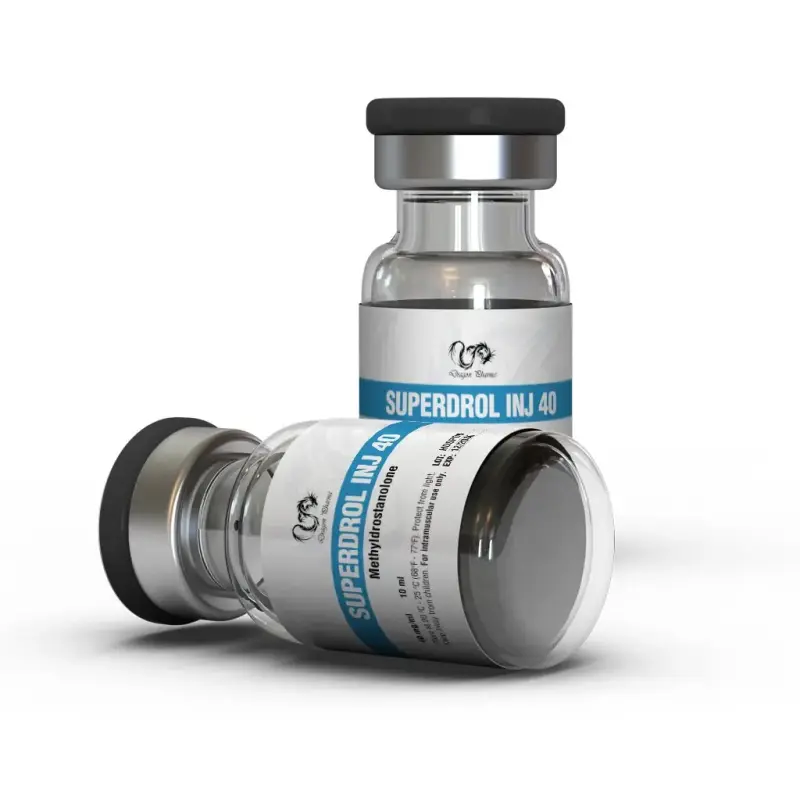
Dragon Pharma Superdrol Inj is methyldrostanolone, better known as methasterone or Superdrol, presented as an injectable solution at 40 mg per ml. The compound is a 2-alpha,17-alpha-dimethyl derivative of dihydrotestosterone, which places it at the dry end of the alkylated range: no aromatisation, no water, and a hepatic profile that the medical literature treats as its defining problem. The brand also lists the same substance as tablets in Superdrol 10 mg for users who prefer the oral route.
The injectable format is unusual for this compound and it is worth being clear about what it does and does not do. It does put the substance into circulation without a first pass through the stomach, which keeps the dose away from the digestive tract. It does not change the molecule: the 17-alpha-methyl group is still there, and published case reports describe cholestatic jaundice and liver damage after short courses of methasterone, including courses of a few weeks. That is why the liver lines in the table below are not a precaution written for legal reasons - they are the documented profile of this substance.
What the compound is used for is narrow and specific: a short block of dry size and strength at the front of a cycle, without the water that comes with a wet oral such as Dianabol Inj or Anadrol Inj. Because it does not aromatise, the base underneath the block has to come from elsewhere, and a testosterone ester is the standard source. Users chasing a dry look pair it with a low-water base and keep the block to three or four weeks.
Dosage Protocol
The dose references in the fact base for this compound are oral, and the fact base does not record a validated injectable protocol. The milligram figures below are those references, with the label concentration of 40 mg per ml noted for conversion.
| Beginner | 10 mg per day in the oral references, 3 weeks; at 40 mg per ml that dose is a quarter of a millilitre, a conversion taken from the label rather than from a sourced injectable schedule |
| Intermediate | 10-20 mg per day in the oral references, 3-4 weeks, split into two administrations because the half-life is short |
| Advanced | Up to 30 mg per day in the oral references, never beyond 4 weeks; above that figure complaints about the liver rise sharply, and the ceiling is a warning, not a goal |
| Female | No confirmed protocol exists for women on this compound, and the virilization risk of a DHT-derived anabolic is not something the sources treat as manageable at any dose |
| Administration | Intramuscular injection; the exact elimination half-life is not confirmed in the sources used here, so the interval between injections is not fixed by a sourced figure and the split-dose logic follows the tablet data |
Suggested Protocols
The blocks below are short by design. In each case the alkylated compound opens the cycle and stops; the injectable base is what the cycle is actually built on.
One rule sits outside the cards: this compound is alkylated, so combining it with any other alkylated oral stacks the same organ risk twice. Methyl-1-Test and Halotestin are the compounds to keep out of the same plan.
What to Expect
- Strength first. Users typically report force output and muscle density changing within days rather than weeks, which is exactly why the block is measured in weeks.
- Dry weight. Gains look hard because nothing is stored as subcutaneous water; there is no puffiness to hide a soft condition.
- No gynecomastia pathway. The compound does not aromatise, so breast tissue changes are not expected from it alone - the base compound is the usual source of that risk.
- Joints and mood. Dry joints, aching and a flat, unmotivated feeling are common complaints, driven by very low estrogen and a suppressed axis.
- Liver enzymes. A rise in ALT, AST and bilirubin is expected on this compound and is the reason for the short block and the lab work.
- Axis shutdown. Suppression is strong even on a three-week course, so recovery is planned rather than assumed.
- Limit of the tool. The published liver-injury cases are part of the molecule profile; no dose schedule makes that risk disappear.
Side Effects and Management
Two features define the side effect profile: no estrogenic activity at all, and a liver risk documented in clinical case reports.
Post-Cycle Therapy
The compound is gone quickly, but the suppression it leaves behind is not, so therapy starts early in either case.