Best Anabolic Steroids

Press Enter to search the full catalog.

US Domestic discreet shipping
Third-party batch tested
HPLC & MS verified purity
Trusted Anabolic Manufacturers Only
US Domestic discreet shipping
Third-party batch tested
HPLC & MS verified purity
Trusted Anabolic Manufacturers Only
Back to all products
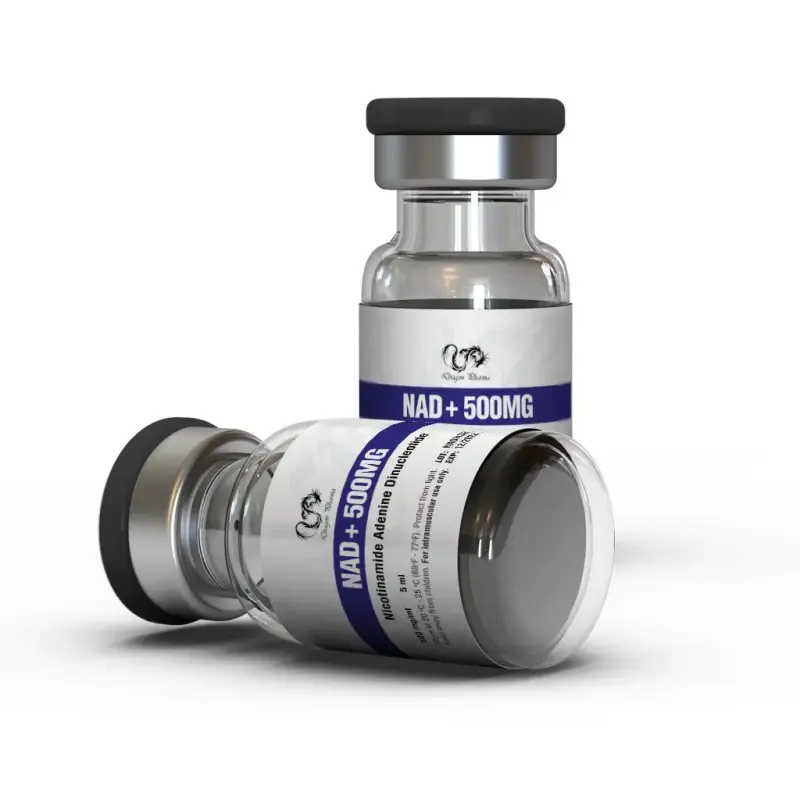
Nicotinamide Adenine Dinucleotide NAD+ - Dragon Pharma

Dragon Pharma

Nicotinamide Adenine Dinucleotide NAD+ - Dragon Pharma

Injection · 500 mg · vial

In stock · ships within 24h Out of stock Ships from International · U.S Domestic
CompoundNAD+ (nadide)
ClassRedox coenzyme
Half-lifeNot established
DetectionNot named; S0 applies
Liver toxicityNo human data
Water retentionNone
NAD+ is a dinucleotide coenzyme, not a peptide and not a hormone, so this card carries mixing arithmetic and laboratory framing rather than a cycle. It shuttles electrons in redox reactions and serves as a substrate for sirtuins and PARP, and cellular levels are known to fall with age. Reported reactions come from intravenous infusion work in clinics and depend on how fast the material is given, which is why speed rather than total volume is the central point here. A dissolved vial keeps about four weeks in the fridge and is never frozen.
Shipping

Not available in this combination

Nicotinamide Adenine Dinucleotide NAD+ - Dragon Pharma
Order Now, Ships Today
$80.00
1
Quality First

All products are manufactured under strict quality standards and independently tested before release. By purchasing, the buyer agrees to use these products in compliance with all applicable laws.

Product Overview

Dragon Pharma NAD+ is a lyophilised vial of nicotinamide adenine dinucleotide, the coenzyme better known by its abbreviation and by the international non-proprietary name nadide. It is not a peptide and not a hormone: the molecule is a dinucleotide built from an adenine nucleotide joined to a nicotinamide nucleotide, with a molar mass of about 664.4 g per mole in the oxidised form, and commercial reference material is sometimes quoted at 663.43 g per mole for the free acid. Because it exists in every living cell, the interest is not in adding a foreign substance but in the size of the pool.

The function is electron transfer. NAD+ accepts electrons in oxidation-reduction reactions to become NADH, and that shuttle sits underneath cellular energy production; the same molecule is also a substrate for the sirtuin enzymes and for PARP, which is why search interest clusters around repair, metabolism and ageing. Cellular levels of the coenzyme are documented to decline with age, and the body rebuilds them through a salvage pathway from nicotinamide and NMN.

The vial is a research material, and the honest summary of the evidence is uneven: plenty of work on NAD+ biology, remarkably little on what giving it to a person does over months. In clinical settings the compound is delivered by intravenous infusion, and most of what is known about how people react comes from that route, not from a vial like this one. That is why the identical molecule appears in two very different product categories, a clinic service and a laboratory powder, and why the same shelf in this brand section holds MOTS-c 10 mg, Epitalon 50 mg and L-Carnitine 500.

Dosage Protocol

No approved human amount exists for NAD+, and the sources behind this card record no standard research amount for repeated subcutaneous use. What can be stated precisely is the mixing arithmetic, which depends on the fill of the vial and the volume of solvent, so the reference figures below are shown per fill. The fill of this particular offer is not recorded in the fact base consulted for this page, which is why the table is built on the reference fills rather than on a single number.

100 mg in 2 mlThe solution carries 50 mg per ml, and each ten syringe units deliver 5 mg
250 mg in 5 mlThe solution also carries 50 mg per ml, with the same 5 mg under ten units
500 mg in 5 mlThe concentration doubles to 100 mg per ml, so ten units deliver 10 mg
750 mg in 5 mlThe concentration is 150 mg per ml, so ten units deliver 15 mg
The rule behind the rowsConcentration equals milligrams of powder divided by millilitres of water; everything else follows from that division
Route in the literatureIntravenous infusion is the route described in clinical practice and in the pilot tolerability work; data on repeated subcutaneous use of our vial are described as scarce in the sources
AmountsNo standard research amount and no approved dose could be confirmed; anything presented elsewhere as a fixed NAD+ dose is not supported by the material consulted here
FemaleNo separate protocol for women appears in the sources, and there is no approved amount in any sex

Suggested Protocols

The groupings below are drawn from how the compound is placed in the longevity and recovery line of the catalogue and from laboratory notes. The sources report no published work on combining these compounds, so these are shelf groupings rather than validated plans.

Vial preparation
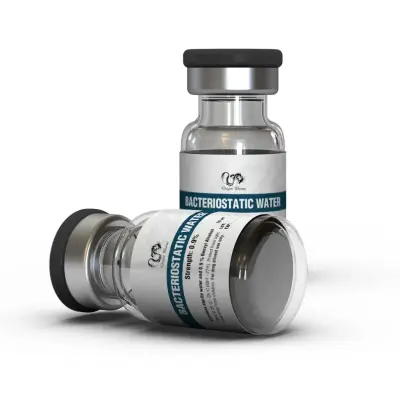
NAD+ lyophilised vial - mixed to the fill + Bacteriostatic water - the solvent step
Add the water down the wall of the vial and stop shaking when the powder has gone into solution; the concentration has to be recalculated for every fill
Longevity line
NAD+ - coenzyme supply + MOTS-c 10 mg + Epitalon 50 mg
Mitochondrial and cellular-ageing angles grouped together; the sources describe the compounds side by side but report no joint study
Recovery shelf
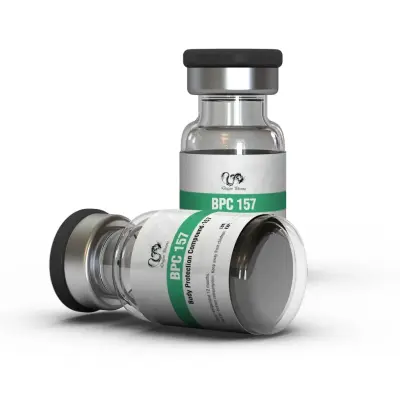
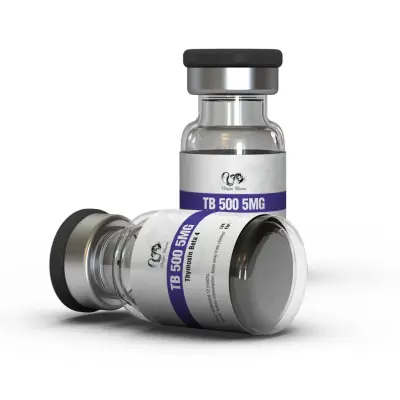
A storage-compatible grouping: all four are lyophilised and share the same refrigeration and light-protection requirements, not the same mechanism

What to Expect

  • Reactions during infusion. Flushing, a feeling of tightness or heaviness in the chest, nausea, headache, fatigue and soreness at the injection site are the observations reported most often in the clinical material.
  • Speed drives the experience. The same amount given faster produces stronger symptoms, and slowing the rate makes them subside; that relationship is the single most reproducible finding in the sources.
  • Time cost of tolerance. In the 2026 pilot work, moderate to pronounced symptoms lengthened an infusion to a mean of 97 minutes, against 37 minutes for the comparison compound.
  • What the molecule actually does. It participates in the NAD+ and NADH redox cycle and in the work of sirtuins and PARP; cellular levels fall with age, and that observation is the whole basis of the interest.
  • Route mismatch. Every tolerability observation comes from intravenous work done in clinical conditions, not from a research vial, so extrapolating between the two is a guess.
  • No fast external change. The mechanisms sit in energy metabolism and DNA repair, and none of the sources consulted promises a visible result on any particular timeline.
  • Long-term unknowns. Data on prolonged use and on clinical outcomes are described as absent rather than merely limited.

Side Effects and Management

The reported reactions are grouped around administration rather than around the molecule itself, which changes how they are managed: the lever is the rate of delivery, with the amount playing a smaller part.

Flushing and rednessSlow the administration down; the effect tracks the speed of delivery more closely than the total amount given.
Chest tightness or heavinessReduce the rate and keep the person under observation; if the sensation persists, stop and escalate rather than pushing through.
NauseaGive the material more slowly and avoid a rapid bolus; this is the classic rate-related complaint in the infusion reports.
Headache and fatigueSlow down and allow rest afterwards; both are frequent observations after infusions.
Soreness at the injection siteRotate sites, keep technique aseptic and use a bacteriostatic solvent; a local reaction is a technique matter rather than a systemic one.
Cheap reassurance avoidedAbsent data on repeated subcutaneous dosing is a limitation, not a safety claim; short courses and self-observation are all the sources support.

Mixing, Storage and Regulatory Status

There is no recovery protocol to run here, because nothing in this compound suppresses the endocrine system. The schedule that does exist covers how the vial is handled, how long a course is described in the literature, and what its legal position actually is.
MixingSolvent is poured gently along the inside of the vial and the powder is never shaken; the concentration is the fill divided by the millilitres of water, so a new calculation is needed for every fill.
Powder storageCool at 2-8 C away from light, with a freezer used when storage is measured in months rather than weeks.
Dissolved vialKept in the refrigerator and used within about four weeks; it is never frozen, and repeated freezing and thawing is avoided.
Course lengthThe sources give no defined course for this route; the only structured schedule described is an infusion protocol in a clinical setting, where the rate is adjusted to the person.
Regulatory statusNAD+ has no approval as a medicine. Intravenous infusions offered in clinics are a wellness service, which is not the same thing as an approved indication.
Testing statusThe compound is not named individually on the WADA prohibited list, but class S0 covers substances with no approval, so absence from the list by name is not permission.
This material is published for educational and research reference purposes only. The compounds described are research-grade materials supplied for laboratory work and are not presented here as medicines or as a treatment for any condition. Dosing information reflects published clinical and reference data for the active substances, not a recommendation or a prescription. Nothing on this page should be read as medical advice. Keep all products out of reach of children and follow the regulations that apply in your country.
What kind of molecule is NAD+ and why is it not a peptide?
It is a dinucleotide coenzyme, built from an adenine nucleotide and a nicotinamide nucleotide, with a molar mass near 664.4 g per mole in the oxidised form and the international name nadide. A peptide is a chain of amino acids; this molecule is not, it is a cofactor that exists in every living cell and takes part in electron transfer as NAD+ and NADH.
Why is NAD+ studied for energy and aging?
Because the coenzyme carries electrons in the reactions that supply cellular energy and also serves as a substrate for the sirtuin enzymes and for PARP, which are involved in repair. Cellular levels are known to decline with age while the body rebuilds them through a salvage pathway from nicotinamide and NMN. That combination of a falling pool and a central role is the whole reason for the research interest.
How do you mix a 100 mg or 500 mg NAD+ vial?
Divide the fill by the volume of solvent. A 100 mg fill with 2 ml, or 250 mg with 5 ml, gives 50 mg per ml, so ten units measure 5 mg. A 500 mg fill with 5 ml gives 100 mg per ml and ten units measure 10 mg, while 750 mg with 5 ml gives 150 mg per ml and ten units measure 15 mg. The solvent goes in slowly along the vial wall and the powder is not shaken.
What NAD+ dose is used per injection or infusion?
No approved amount exists and no standard research amount for repeated subcutaneous use could be confirmed in the sources. Clinical practice uses intravenous infusion with the rate adjusted to the individual, and the pilot tolerability work in 2026 is a description of what was given in that setting rather than a fixed protocol. Treat any single number presented as a standard NAD+ dose with suspicion.
Why does the infusion speed matter so much?
Because the reported symptoms are tied to how fast the material arrives rather than to how much is given in total. Flushing, chest heaviness and nausea build when delivery is quick and settle when it is slowed, and in the 2026 pilot study pronounced symptoms stretched an infusion to a mean of 97 minutes, compared with 37 minutes for the comparator. Speed is the practical lever.
What side effects are reported with NAD+ infusions?
Flushing and redness, a feeling of tightness or heaviness in the chest, nausea, headache, fatigue and soreness where the needle went in. All of these are rate-related in the published observations and ease when delivery slows. The important caveat is that they were collected in clinical infusion conditions, not with subcutaneous use of a research vial.
Is NAD+ an approved medicine and is it banned in sport?
It has no approval as a medicine; intravenous infusions sold in clinics are offered as a wellness service, which is not an approved indication. On the sporting side the compound is not named on the prohibited list, but class S0 covers substances without approval, so not being listed by name does not amount to permission.
How should a NAD+ vial be stored?
Keep the lyophilised powder cool at 2-8 C and out of the light, and use a freezer if storage is planned over months. Once dissolved, the vial belongs in the refrigerator and should be used within about four weeks. Freezing the solution is avoided, and repeated freeze-thaw cycles are worse than either option.

No reviews yet

Be the first to share your experience with Nicotinamide Adenine Dinucleotide NAD+ - Dragon Pharma

Log in to write a review
Nicotinamide Adenine Dinucleotide NAD+ - Dragon Pharma
International

Complete the protocol

Stack it with

View all →
Added to cart