Product Overview
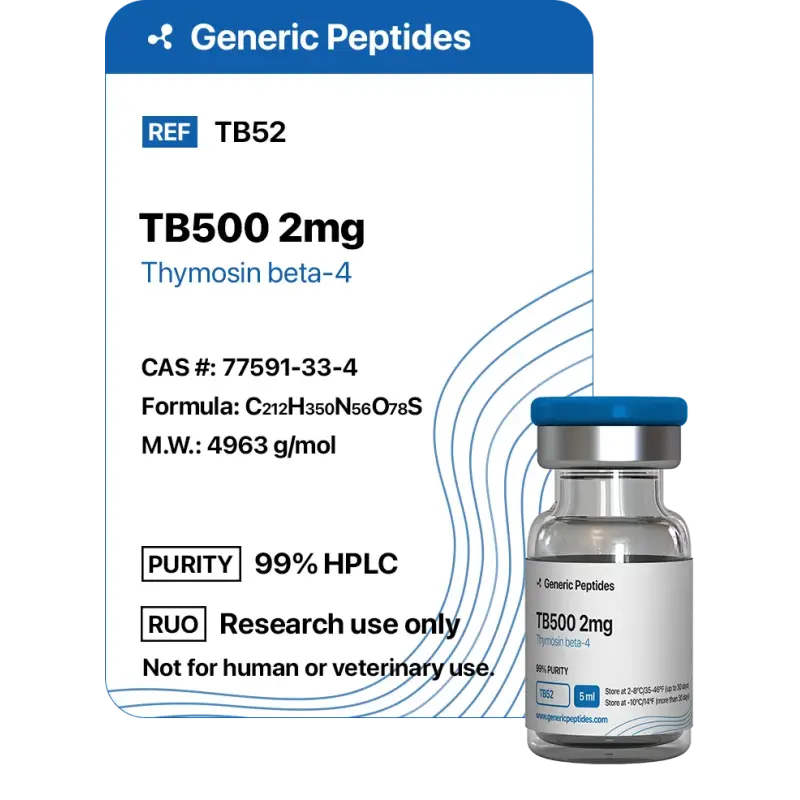
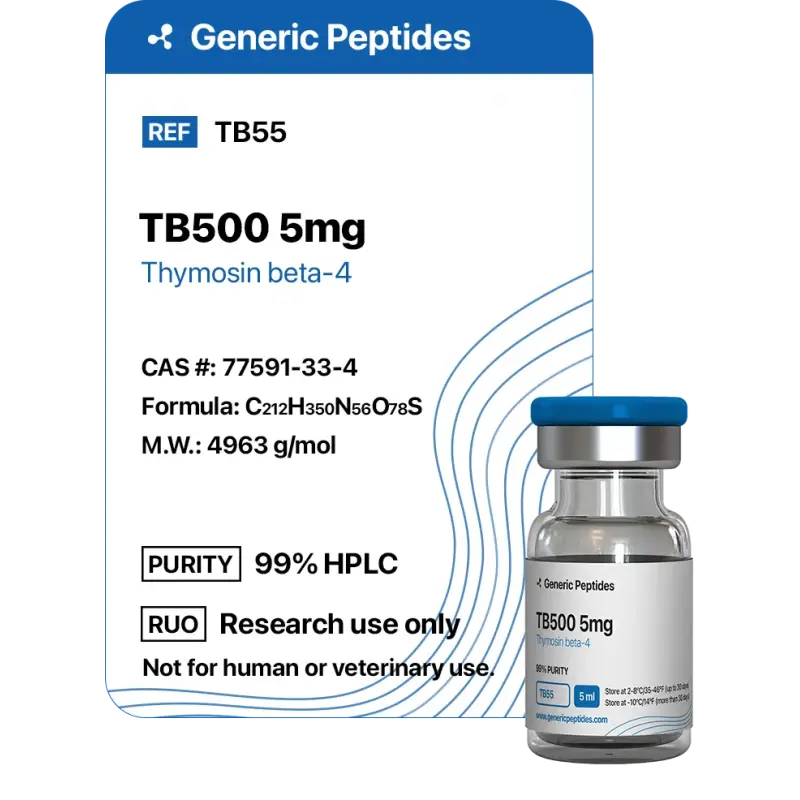
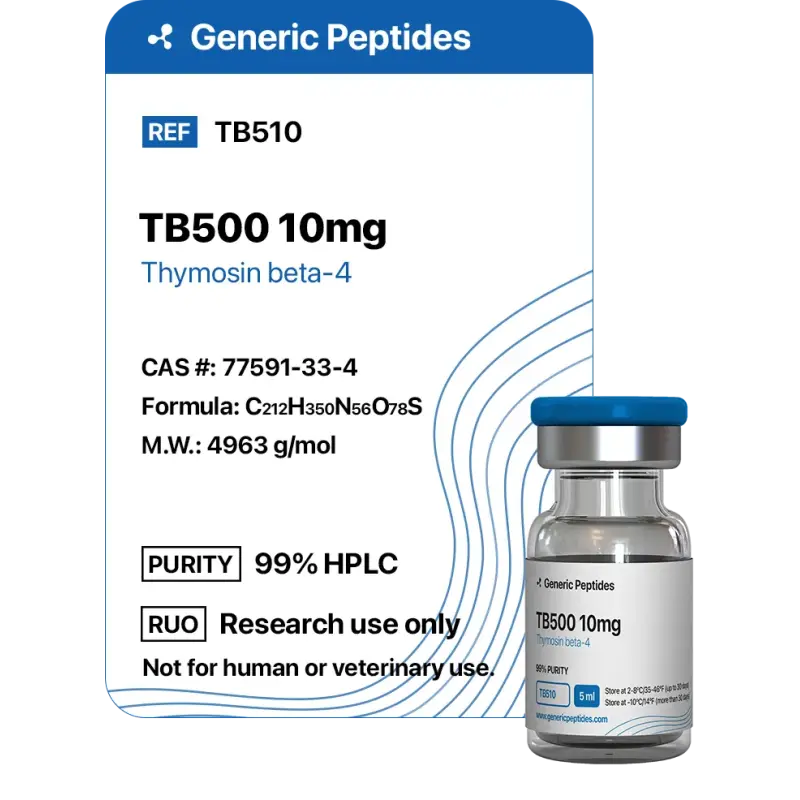
Generic Peptides stocks this compound in three vial sizes, 2 mg, 5 mg and 10 mg of freeze-dried powder, all carrying the same molecule. The trade name on the label, TB 500, is laboratory shorthand for a shortened synthetic version of the parent peptide thymosin beta-4, a molecule the body makes on its own and that the literature discusses in terms of actin binding and cell migration. Once the powder is dissolved, the only fact that fixes the strength of the solution is the milligram figure printed on the vial divided by the millilitres of solvent added; nothing on the label converts it into a clinical dose, because no such dose exists.
The gap in the evidence is the most important thing to state up front. Human pharmacokinetics were never run, and the reference vendors say so in as many words rather than quoting a number. Without a measured elimination rate there is no pharmacological basis for an injection interval, and the loading and maintenance figures that circulate are catalogue conventions carried over from one shop to the next. Assay data are just as narrow, and the sole analytical work reachable for this page sits in veterinary journals, where urine and plasma from horses were screened for the N-acetylated metabolite LKKTETQ. A window measured in horses does not convert into a human one, and no card should pretend otherwise.
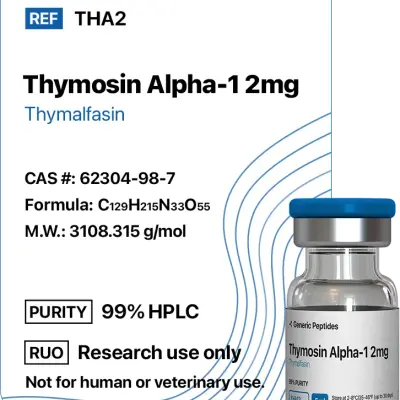
Where the research interest sits is soft tissue. Community write-ups use the peptide systemically rather than injecting it into the injured structure, so the effect is described as whole-body rather than local. That is the main reason it is so often mentioned next to BPC-157, which works through a different route and carries a more site-specific reputation; the two are not interchangeable and neither replaces the other. Readers who come to this page from the immune peptide side of the catalogue should look at Thymosin Alpha-1, a different member of the same protein family with an entirely different research history. For athletes subject to testing, the status is unambiguous: TB-500 is named in WADA class S2 and banned at all times.
Dosage Protocol
Nothing in the table below is an approved human dose. It reproduces the vendor reference schedule published for this material together with the solvent arithmetic that follows from a 2 mg, 5 mg or 10 mg fill, and it is meant for reference work on a bench.
| Loading weeks | Two shots a week of 2.0-2.5 mg each, weeks 1-4; the weekly total lands at 4.0-5.0 mg |
| Maintenance | A single weekly shot of 2.0-2.5 mg after the loading weeks close |
| Course length | Vendor guidance is 6-8 weeks followed by a pause of similar length |
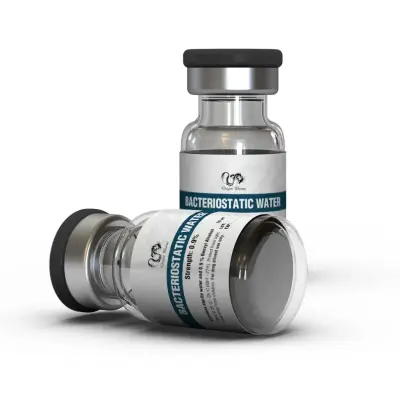
| Reconstitution | Bacteriostatic water; 2 mg + 1 ml gives 2 mg/ml, 5 mg + 2 ml gives 2.5 mg/ml, 10 mg + 2 ml gives 5 mg/ml |
| Unit maths | On a U-100 syringe 10 units is 0.1 ml, which is 250 mcg at 2.5 mg/ml and 500 mcg at 5 mg/ml |
| Vial coverage | A 10 mg vial runs about two weeks of loading at 2.5 mg twice weekly; a 2 mg vial covers a single week |
| Route | Subcutaneous or intramuscular; community use is systemic, not injected into the injured tissue |
| Female | The sources behind this card contain no verified protocol for women, and none for men either |
Suggested Protocols
No combination of this peptide has ever been validated in a trial, so the groupings below are reference benches taken from community practice, not treatment plans. Every card opens the matching page in the Generic Peptides section.
What to Expect
- First subjective change. Vendor descriptions put the earliest reports of easier movement and less discomfort inside 1-3 weeks of a block.
- Course horizon. The reference schedule runs 6-8 weeks, so injection-on-demand experiments have no timeline behind them at all.
- Systemic use. Community accounts describe whole-body administration rather than a shot into the problem area, which is why the same dose is quoted for different injuries.
- Evidence ceiling. No human half-life, no dose-response curve and no safety record exist, so each timeline quoted here originates with a vendor rather than with a study.
- Bench responsibility. Sterility, storage and accurate measuring sit entirely with the person holding the vial, as with any research lyophilisate.
- Cold chain. The powder belongs in the cold; the sheet behind this card does not confirm a storage life for the mixed solution of our own vial.
- Testing exposure. WADA class S2 lists TB-500 together with the parent peptide and its derivatives, banned at all times.
Side Effects and Management
There is no validated human safety record for this peptide, and the honest framing is that the list below is compiled from user writing and veterinary observations rather than from a monitored trial. Management therefore rests on technique and observation.
Post-Cycle Therapy
Recovery drugs have no place here, and the reason is worth spelling out because the question comes up in every peptide group. The gonadotropin axis is untouched by this molecule: there is no suppression of natural testosterone production to reverse, so tamoxifen, clomiphene, or human chorionic gonadotropin would have nothing to act on. Anyone who has been told to add a recovery protocol to a TB 500 block has been given advice written for a steroid cycle.