Best Anabolic Steroids

Press Enter to search the full catalog.

US Domestic discreet shipping
Third-party batch tested
HPLC & MS verified purity
Trusted Anabolic Manufacturers Only
US Domestic discreet shipping
Third-party batch tested
HPLC & MS verified purity
Trusted Anabolic Manufacturers Only
Back to all products
AICAR 50-100 mg Vials - Generic Peptides AICAR 50-100 mg Vials - Generic Peptides

Generic Peptides

AICAR 50-100 mg Vials - Generic Peptides

Injection · 50 mg · vial

In stock · ships within 24h Out of stock Ships from International
CompoundAcadesine (AICAR)
ClassSmall molecule, AMPK activator
Half-lifeAbout 1 hour, plasma
Detectionn/a, research product
Liver toxicityNo data, unconfirmed
Water retentionNone described
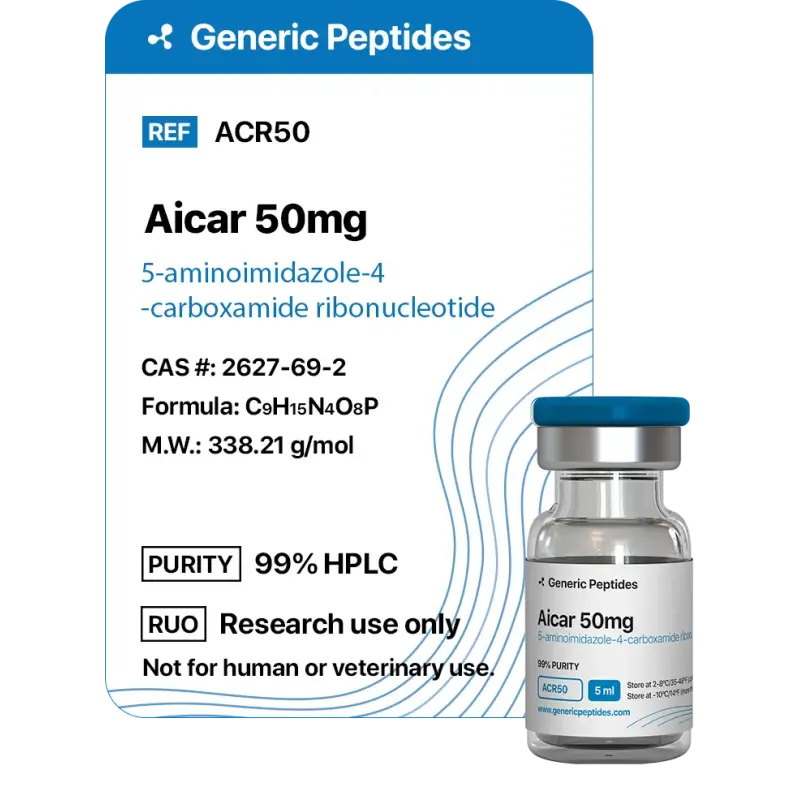
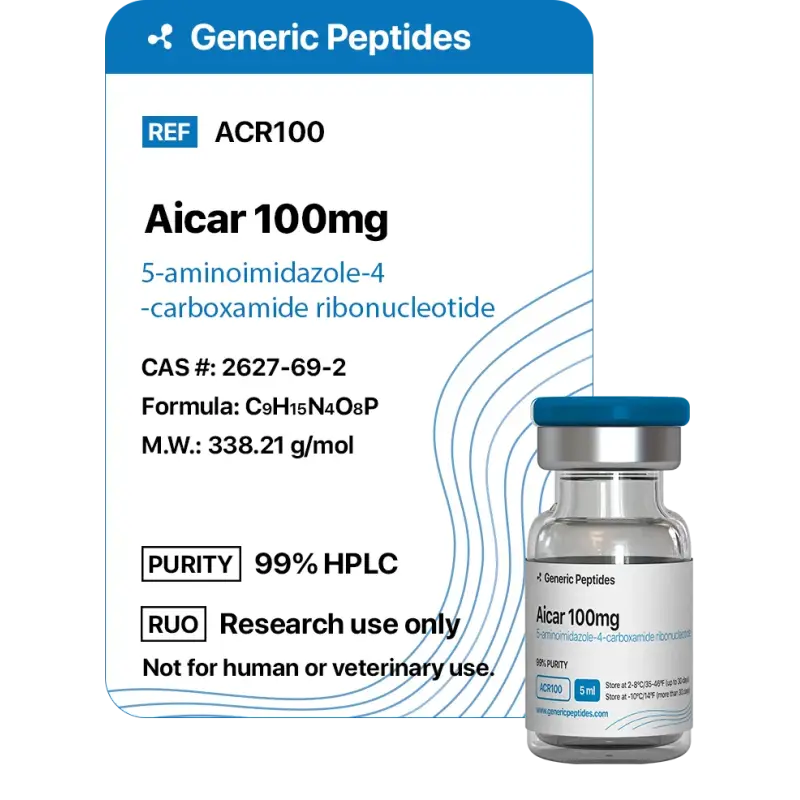
Two freeze-dried fills, 50 mg and 100 mg, of the nucleoside analogue acadesine, catalogued among peptides although the molecule is a small one. Human plasma elimination is around one hour and much of the dose is trapped inside cells as the active nucleotide ZMP, which is where the pharmacology really lives. The only large human programme, an intravenous cardiac protection trial, was halted at the end of 2010 for lack of benefit, so no validated human amount exists and the figures below are research arithmetic. Acadesine has sat in WADA class S4 since 2009 and is banned at all times.
Strength

Not available in this combination

Shipping

Not available in this combination

AICAR 50-100 mg Vials - Generic Peptides
Order Now, Ships Today
$45.00
1
Quality First

All products are manufactured under strict quality standards and independently tested before release. By purchasing, the buyer agrees to use these products in compliance with all applicable laws.

Product Overview

Acadesine, known almost everywhere by the short form AICAR, is a nucleoside analogue rather than a peptide, even though the vial occupies a peptide shelf in this catalogue. Generic Peptides lists two fills, 50 mg and 100 mg, both as freeze-dried powder intended for laboratory work. Chemically it is the riboside of AICA, and once inside a cell it is phosphorylated into ZMP, the nucleotide that flips on AMP-activated protein kinase.

The medical record behind the molecule is longer than that of most research reagents. From the 1980s it was investigated as a protectant of heart muscle during ischaemia and as a treatment in acute lymphoblastic leukaemia, and Schering-Plough took a licence on it in 2007. The phase III cardiac programme was stopped at the end of 2010 because it did not deliver the benefit the earlier work had promised, and that is the moment the compound turned into a laboratory reference rather than a developing drug.

AMPK itself is the fuel gauge of the cell. When ATP runs low, the kinase turns down expensive building work and turns up glucose uptake and fat oxidation. AICAR throws that switch without any fall in the cell's energy charge, which is exactly what made exercise scientists pay attention, and also why anti-doping authorities classify the substance as a metabolic modulator rather than as a hormone.

Dosage Protocol

There is no approved human amount, and the trial that could have produced one was abandoned. What can be written down honestly is the arithmetic of dilution plus the figures the animal literature used, which are not a schedule for a person.

Animal reference 0.5 mg per gram of body weight each day, injected under the skin for 14 days in the mouse work
Vendor figures Scattered between roughly 1-3 mg a day and much larger amounts, with no shared protocol across sellers
Route in studies Subcutaneous injection in animal models; the human cardiology work used intravenous infusion instead
50 mg in 2 ml 25 mg/ml, so a 0.1 ml pull carries 2.5 mg
50 mg in 5 ml 10 mg/ml, so a 0.1 ml pull carries 1 mg
100 mg in 5 ml 20 mg/ml, so a 0.1 ml pull carries 2 mg
100 mg in 10 ml 10 mg/ml, so a 0.1 ml pull carries 1 mg, the same as the diluted 50 mg fill
Female No confirmed protocol in the sources checked; nothing published describes a separate female schedule

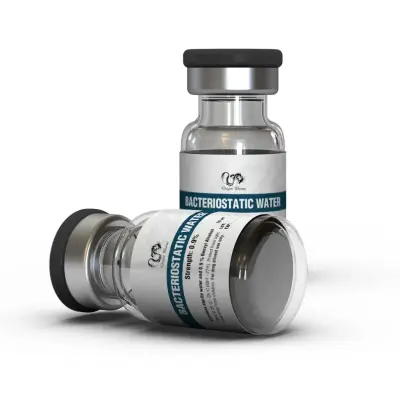
Bacteriostatic water is added down the wall of the vial and the powder is allowed to dissolve without violent shaking. The dry powder keeps at 2-8 C away from light, and the made-up solution also stays at 2-8 C, where it is usable for about 28-30 days; freezing is avoided because a thaw cycle damages this class of molecule. Because elimination from plasma takes about an hour and the working metabolite is generated inside the cell, the timing of any sample or measurement is at least as important as the amount written on the label.

Suggested Protocols

Nothing on this shelf is studied as a combination with acadesine, so the groupings below are bench comparisons from the same catalogue section rather than a regimen. Each one answers a question a reader is likely to be asking: what else acts on the same fuel-sensing pathway, what else is bought for fat loss, and what belongs on the recovery side.

Same metabolic pathway
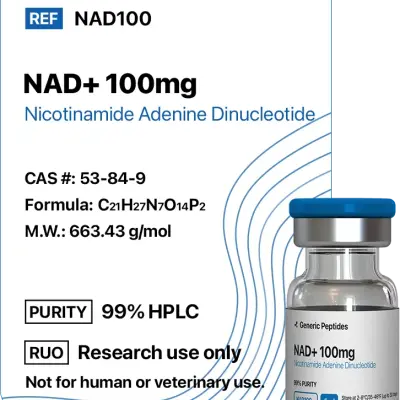
AICAR vial - AMPK activation + NAD+ vial + 5-Amino-1MQ vial
Three ways of touching cellular energy handling, catalogued side by side because buyers compare them; no source puts them in one experiment
Fat loss comparisons
The weight-loss shelf gathered in one place: a lipolytic fragment, a fat-vessel targeting peptide, an incretin and a kinase activator, with completely different evidence bases
Support side
An antioxidant and a growth hormone presentation, listed because both appear in the same research notes about recovery rather than because either pairs with acadesine

What to Expect

  • Endurance in mice, not in people. The headline result of 2008 was better running performance in untrained animals, and nothing comparable has been published for humans.
  • A fibre-type shift on paper. The same rodent work reported fast fibres taking on oxidative characteristics, which is the observation the endurance claim rests on.
  • Glucose movement up. AMPK activation increases glucose uptake into skeletal muscle in models, and p38 MAPK alpha and beta activity rises with it.
  • Overlap with training. In mice given AICAR together with the research compound GW501516, roughly 40 percent of the genes that shift with exercise also shifted, which is a partial overlap rather than a substitute for training.
  • Fast plasma clearance. Around one hour in human plasma, so what lingers is the intracellular nucleotide rather than the parent molecule in circulation.
  • No human outcome data. The cardiac programme failed and stopped; the compound has no approval anywhere and no legal status as a medicine.

Side Effects and Management

There is no monitored human safety file for the amounts sold here, so the list mixes what the cardiac trial watched for with the ordinary events of injecting a research powder. Management is observational in every row.

Injection site reactionRotate sites and use clean technique; local irritation is the usual event with any injected research solution.
Falling blood glucoseTreat as the main pharmacological risk, especially alongside other glucose-lowering agents, and track readings if studies do.
Slow heart rate and haemodynamicsBradycardia and circulatory changes were monitored in the clinical programme, so cardiac parameters are the ones to watch.
Metabolic interferenceAny change to glucose handling matters more to someone already on medication, and the interaction is not characterised.
Long-term effects unknownKeep exposure short and treat unexplained symptoms as a reason to stop; extended use has never been studied in people.

Post-Cycle Therapy

The answer here needs no invention, because there is nothing to recover. Acadesine is not an androgen, does not aromatise, and does not suppress luteinising hormone or sperm production, so the drugs used to restart a hormonal axis after an anabolic course have no target in this line.
OnsetNo suppression happens, so there is no recovery window to time
Option ASERMs such as tamoxifen have nothing to act on in a metabolic research setting
Option BGonadotropin injections are equally pointless here, since the gonadal axis was never disturbed
CyclingAnimal work ran a fixed 14 day block, and no source proposes a structured on and off rhythm for humans
Follow-upThe only relevant monitoring is metabolic and cardiac: glucose readings and heart rate, not hormones and not a liver panel
This page is educational and laboratory reference material. The item described is a research compound in lyophilised form and not a medicine; nothing here treats any condition or is a protocol. The figures shown come from animal experiments, clinical trials that were stopped, and vendor reference notes, and are reproduced so a reader can see how thin the human evidence is; they are not a recommendation or a prescription, and this is not medical advice. Keep vials out of the reach of children and follow the law where you live.
What is AICAR and is it a peptide?
AICAR is the everyday name for acadesine, a nucleoside analogue and a small molecule. It is sold in peptide catalogue sections because buyers look for it there, but chemically it is not a peptide chain. Generic Peptides stocks it as a freeze-dried powder in 50 mg and 100 mg fills.
How does AICAR switch on AMPK?
Once it is inside a cell, the compound is phosphorylated into ZMP, a nucleotide that mimics the low-energy signal AMPK is built to detect. The kinase then stimulates glucose uptake in skeletal muscle and pushes p38 MAPK alpha and beta activity up, without the cell having to run short of ATP first.
What did the 2008 mouse study actually show?
Untrained mice ran longer after treatment, and the authors attributed it to a shift of fast fibres towards a more oxidative profile. When the same animals also received GW501516, roughly 40 percent of the genes known to respond to training changed in the same direction. It was a mouse experiment, and no equivalent trial has been run in people.
Is there a validated human dose of AICAR?
No. The only large human programme was intravenous cardiac protection, and it was stopped at the end of 2010 for lack of benefit, so no dose was ever set for people. Animal work used 0.5 mg per gram of body weight daily for 14 days, and vendor pages disagree with each other, which is why this page states research amounts rather than a schedule.
How do you reconstitute a 50 mg or 100 mg AICAR vial?
Bacteriostatic water goes in down the side of the vial and the powder is left to dissolve without shaking. Two millilitres into the 50 mg fill gives 25 mg/ml, where 0.1 ml holds 2.5 mg; five millilitres in either vial gives 10 mg/ml, where 0.1 ml holds 1 mg; five millilitres in the 100 mg fill gives 20 mg/ml. The solution keeps at 2-8 C for about 28-30 days and is never frozen.
Why was the AICAR cardiac trial stopped?
The phase III programme testing acadesine as protection against cardiac ischaemia was halted at the end of 2010 because it failed to show the expected clinical benefit. Earlier enthusiasm came from smaller studies and from animal models, and the failure of the large trial is the reason the compound is now sold as a research reagent.
Is AICAR banned in sport?
Yes, explicitly. Acadesine appears in class S4 of the WADA prohibited list, the metabolic modulator group, and has been named there since 2009, which means it is banned at all times and not only during competition. In 2009 the BMJ reported traces consistent with its use among riders at the Tour de France.
Does an AICAR block need any recovery protocol?
No. The compound does not touch the gonadal axis, does not aromatise, and does not reduce sperm production, so a SERM or a gonadotropin injection has no function afterwards. Monitoring for this line, if any, is metabolic and cardiac: glucose readings and heart rate rather than testosterone and luteinising hormone.

No reviews yet

Be the first to share your experience with AICAR 50-100 mg Vials - Generic Peptides

Log in to write a review
AICAR 50-100 mg Vials - Generic Peptides
50 mg · International

Complete the protocol

Stack it with

View all →
Added to cart